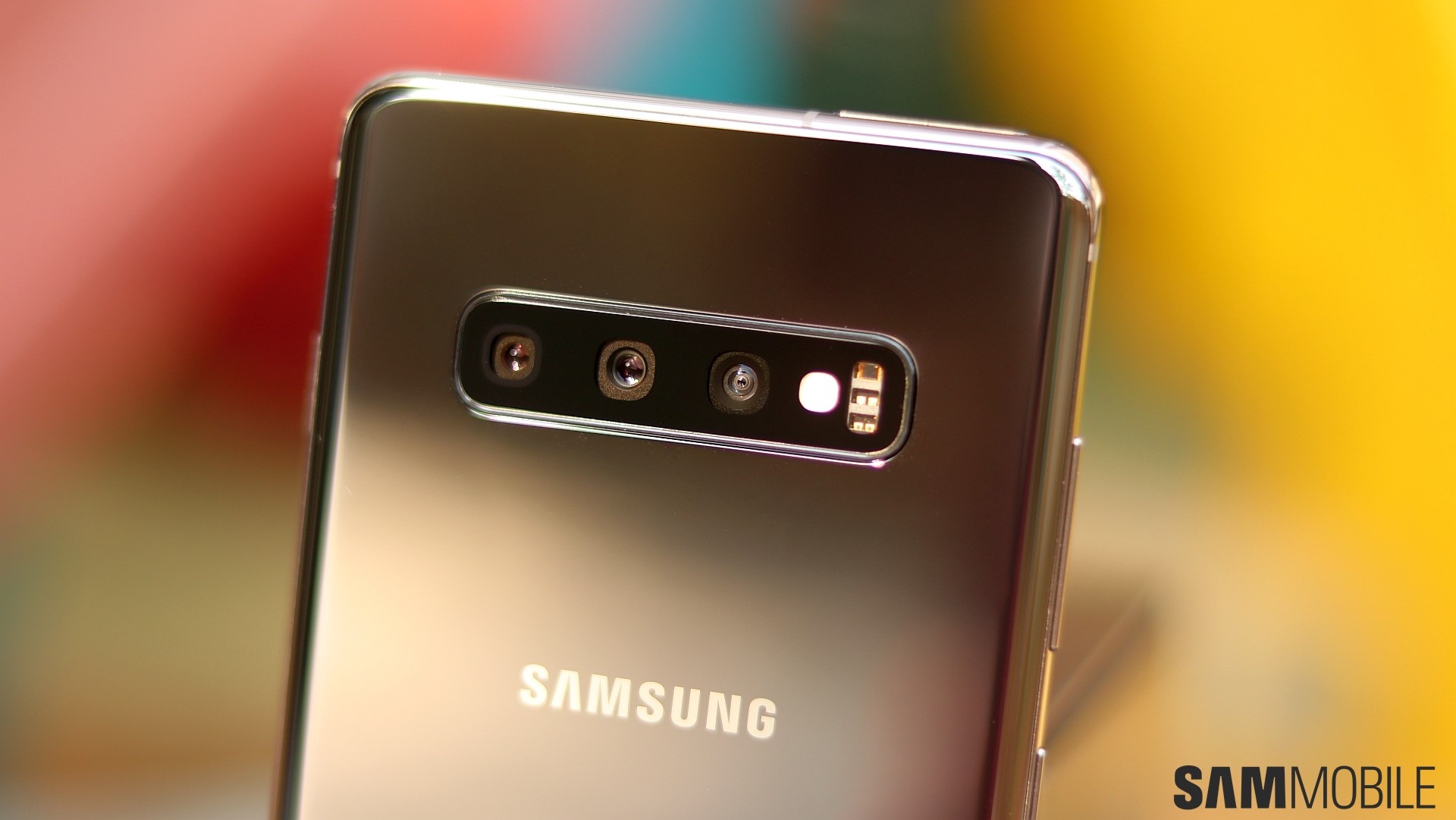

Samsung made some bold design choices back in the day. There was a time when you could identify a Samsung flagship from across the room, not by looking at its display, but by looking at its back.
The centered camera module had become a thing of beauty. It sat in the middle of the device like a deliberate statement. Samsung refined this design language considerably with the Galaxy S10 and S10+, putting them in a class of their own when it came to the camera bar design.
The company took this route at a time when the vast majority of phones looked more or less the same when placed face-down on a table. Samsung's deliberate decision to swim against the tide meant that you knew, at a single glance, that it was a Samsung.

That signature look of Galaxy devices is long gone. And, unfortunately, for a company that influenced others to follow its design ideas, Samsung has ended up becoming influenced by rivals to the point where it has left behind its own legacy.
Samsung began this abandonment with the Galaxy S20 series, which brought the vertical, right-aligned camera island. This was the configuration that most other Android smartphone manufacturers had already adopted, one that Samsung has resisted following in earlier years.
There were legitimate engineering reasons for the change. As camera systems grew larger and more complex, moving the module into the corner opened up more room inside the phone for components such as the battery and increasingly ambitious camera hardware. So Samsung went this way to ensure it could deliver powerful camera capabilities, but a lot has changed since then.
The problem is what it cost in the broader sense, and how long it took to become visible. Look at the Google Pixel 11 Pro. The camera bar stretching across the back of the device, instantly recognizable, impossible to mistake for anything else, has become the thing reviewers and buyers capture first. It's the element that defines the device's aesthetic identity before anyone turns it on.
Apple's move to a full-width camera plateau is further proof that ambitious camera hardware doesn't have to result in another generic corner-mounted island. The technology has progressed enough in other areas for this design language to make a return without requiring any compromise in the camera department.
As things stand, most of the design choices for devices like the Galaxy S26 Ultra follow conventions that were established by its rivals first and Samsung arrived at them second. Samsung's hardware boasts a visual identity that isn't too dissimilar to its competitors.
Samsung's camera island went from being the thing that made a Galaxy look unlike an iPhone to being something that makes the two feel increasingly adjacent. That's an extraordinary loss of identity for the world's largest Android smartphone maker.
There are functional issues with sticking to the current design language. The Galaxy Z Fold 8's camera island sits in a position that you'd accidentally be touching very frequently with a normal grip. Evidently, the camera won this particular decision between engineering and the user experience.
It usually does at Samsung these days. The corner-aligned modules on Samsung's flagship and even mid-range phones haven't really budged over the past few years. They signal convention, a company that made the same choice most manufacturers made just because the engineering pointed there.
There's a reason why some of Samsung's most loyal fans keep asking for key design decisions it has made in the past, such as the Galaxy S21 Ultra's almost perfectly wide silhouette or the Galaxy S10's proportions. These aren't fans being nostalgic for nostalgia's sake.
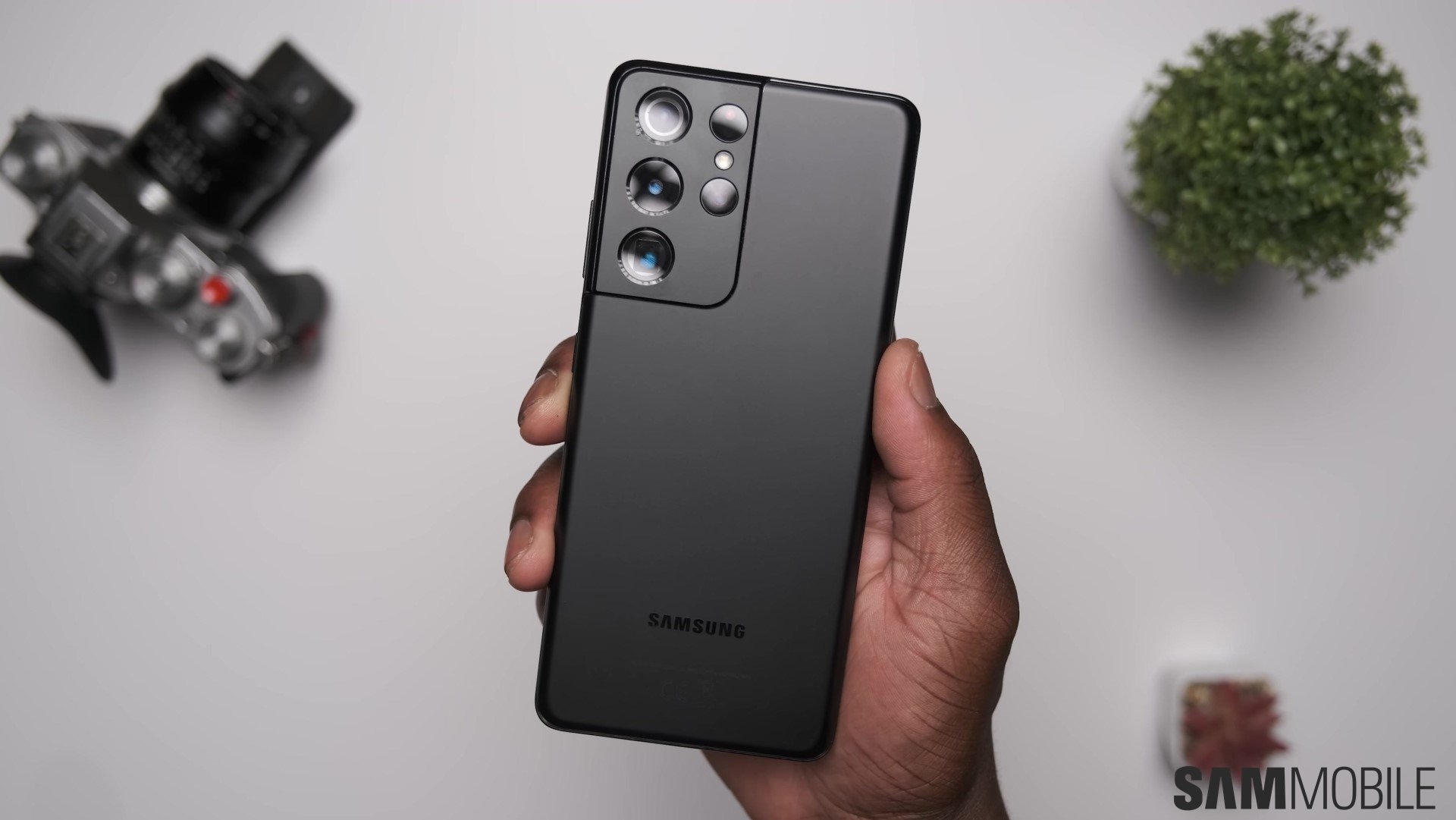
They're some of the company's biggest supporters who now think that Samsung's hardware has stopped feeling like it was made for them and started feeling like it was made for the broadest possible market.
How long before Samsung goes back to the disruptive streak it has shown before? How long before it decides to shake things up again in the design department and doesn't take the safest possible route? How long before Samsung stops designing for the least offensive outcome?
Right now, its rivals are swinging for the fences with their designs and taking full advantage of the space Samsung vacated. That needs to bother Samsung more than it seems to.


Post a Comment